How to Handle a Broken Heater in the Middle of Winter

December 11, 2025

When temperatures plunge and your home suddenly feels more like a walk-in freezer, a broken heater can be more than an inconvenience, it can be an emergency. The middle of winter is the worst time to be without heat but knowing what steps to take can help protect your home, your family, and your comfort. At Custom Cooling & Heating, we help homeowners restore warmth quickly and safely. Here’s what to do if your heater stops working when you need it most. 


1. Check the Basics First 

Before assuming the worst, start with a few simple troubleshooting steps. Many heating failures are caused by basic issues that can be resolved without a service call. 


  • Check your thermostat: Make sure it’s set to “Heat” and that the temperature is set higher than your home’s current indoor temp. If it’s a battery-powered thermostat, swap in fresh batteries. 
  • Inspect your circuit breaker: A tripped breaker can shut your furnace down completely. Reset it if necessary. 
  • Ensure your furnace switch is ON: Furnaces often have a standard light-switch-style power switch on or near the unit. Make sure it wasn’t accidentally turned off. 
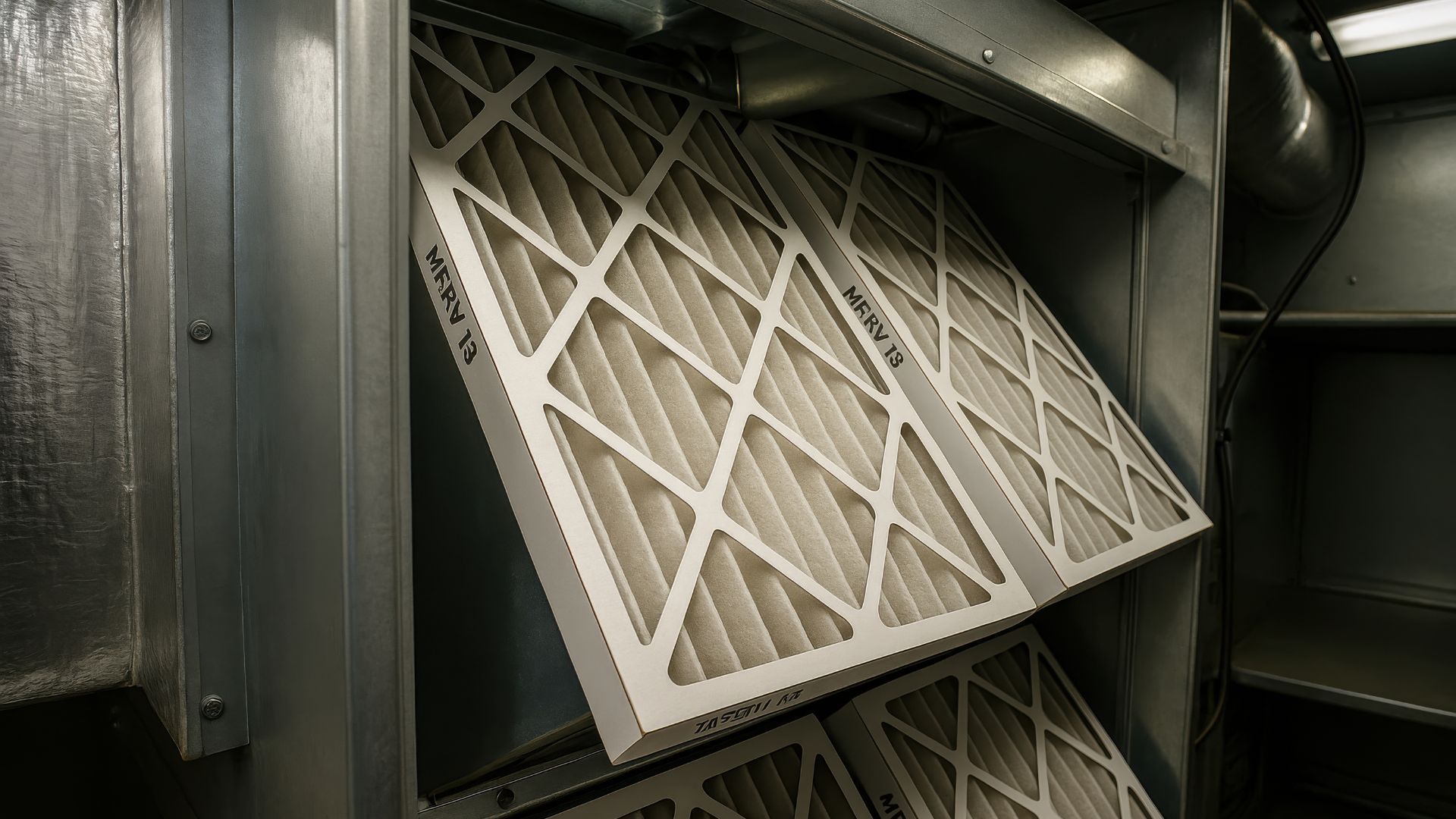
  • Look at your air filter: A severely clogged filter can restrict airflow and cause your system to shut down for safety. If the filter looks dusty or blocked, replace it


If these quick checks don’t restore heat, the issue may be deeper inside the system and require professional attention. 


2. Avoid Overworking Your System 

When heat stops flowing, it’s natural to keep adjusting the thermostat, hoping the furnace will kick back on. Try to avoid repeatedly turning the system on and off, as this can make the situation worse or cause damage. 


Instead, turn the system off if you smell burning, hear unusual noises, or see signs of overheating. These can signal electrical issues or mechanical failures that need a technician. 


3. Use Safe Temporary Heating Solutions 

While waiting for repairs, you'll need to keep your home comfortable, but safety should always come first. Avoid using your oven or grill to heat your home, as these methods are extremely dangerous. 


Safer alternatives include: 


  • Electric space heaters: Keep them on a stable surface, at least three feet from flammable items. 
  • Fireplaces: Ensure the flue is open for proper ventilation. 
  • Layered clothing and blankets: A simple and safe short-term solution. 


If indoor temperatures drop too low, consider staying with a friend, family member, or in a hotel to avoid the risk of frozen pipes or health issues. 


4. Prevent Your Pipes from Freezing 

A broken heater doesn’t just affect comfort, but it can also put your plumbing at risk. Frozen pipes can burst and cause significant water damage. To help prevent freezing: 


  • Keep cabinet doors open to allow warm air around plumbing. 
  • Let faucets drip slowly to keep water moving. 
  • If your home has multiple stories, keep doors open between rooms to allow even air circulation. 


If temperatures in your home drop below 55°F, your pipes may be at risk, so monitor them closely until the heat is restored. 


5. Call a Professional HVAC Technician 

If basic troubleshooting doesn’t resolve the issue, it’s time to call a certified expert. Heating systems have complex electrical, mechanical, and safety components, so attempting repairs without training can be dangerous. 


At Custom Cooling & Heating, our technicians diagnose heater breakdowns quickly and offer reliable solutions to get your home warm again. Whether it’s a faulty ignitor, blower motor issue, dirty flame sensor, or aging furnace components, we’ll pinpoint the problem and recommend the most cost-effective fix. 


6. Consider the Age of Your Heater 

If your heater is over 12–15 years old, repeated breakdowns may be a sign that it’s time for replacement. Older units lose efficiency, struggle to maintain consistent temperatures, and can increase your energy bills. 


A new high-efficiency heating system can: 


  • Reduce monthly utility costs 
  • Improve indoor air quality 
  • Deliver more consistent comfort 
  • Provide safer, more reliable performance 


Our team can help you compare repair vs. replacement options, so you can make the best choice for your budget and home. 


7. Prevent Future Breakdowns with Regular Maintenance

Once your heat is restored, the best way to avoid another winter surprise is to schedule annual furnace maintenance. Preventive service keeps your system running smoothly and can catch small issues before they turn into emergencies. 


Routine maintenance from Custom Cooling & Heating includes: 


  • Full system inspection 
  • Cleaning and lubrication 
  • Filter replacement 
  • Safety checks 
  • Efficiency testing 


Not only does this reduce the risk of winter breakdowns, but it also extends the life of your equipment. 


Stay Warm with Reliable Winter Heating Support 

A broken heater in the middle of winter can be stressful, but you don’t have to handle it alone. The experts at Custom Cooling & Heating are here to restore your comfort quickly and safely. Whether you need emergency repairsroutine maintenance, or a new system installation, our team is ready to help. 


Need fast heating service? Contact Custom Cooling & Heating today and let us bring the warmth back to your home. 

Get Your Free Estimate & Schedule Your Installation!

Get a Quote

Read our latest articles

Browse all articles
March 17, 2026
Your HVAC system works year-round to keep your home comfortable, but most homeowners don’t think about it until something stops working. Heating and cooling systems are complex, and without routine maintenance, small issues can quickly turn into costly repairs. A professional HVAC inspection helps prevent breakdowns, improve efficiency, and extend the life of your system. At Custom Cooling & Heating , an HVAC inspection is a detailed process designed to ensure your system is operating safely and reliably before peak seasons arrive. It Begins with the Thermostat and System Controls Every inspection starts with evaluating the thermostat. Since it controls when your system turns on and off, it must accurately read your home’s temperature and communicate properly with the HVAC equipment. If it’s not calibrating or cycling correctly, you may notice uneven temperatures or higher energy bills. The technician will also confirm that the system starts, runs, and shuts off as it should. This initial check ensures the core controls are functioning before diving deeper into mechanical components. Electrical Components Are Carefully Examined Electrical problems are a leading cause of HVAC system failures. Over time, normal vibration and wear can loosen connections or weaken parts. During an inspection, the technician checks wiring, tests key electrical components, and measures voltage levels to ensure everything is operating within safe limits. Catching small electrical issues early can prevent sudden outages, especially during extreme weather when your system is working hard. Airflow and Efficiency Are Evaluated Proper airflow is essential for both comfort and energy efficiency. A clogged air filter or restricted airflow can force your system to work harder, increasing wear and tear. During a professional HVAC inspection, the technician checks the air filter and evaluates overall airflow throughout the system. If airflow is restricted, it can lead to uneven temperatures and higher energy costs. Addressing these concerns early helps your system run more smoothly and efficiently. Heating System Inspection If your home uses a furnace, the heating components are inspected for both performance and safety. The technician examines the ignition system, burners, and safety controls to ensure everything is functioning properly. The heat exchanger is also checked, as any cracks or damage could pose safety concerns. Heating systems often run continuously during colder months, so ensuring safe and efficient operation before winter arrives can prevent emergency service calls. Cooling System Inspection For air conditioning systems, the focus shifts to cooling performance. The technician checks refrigerant levels, inspects coils, and evaluates the outdoor condenser unit. Low refrigerant or dirty coils can significantly reduce efficiency and make it harder to keep your home cool. The condensate drain line is also inspected to ensure moisture is draining properly. A clogged drain can cause water damage or system shutdowns if not addressed. Moving Parts and Overall Performance HVAC systems contain motors, fans, and other moving parts that naturally experience wear over time. During the inspection, these components are examined for signs of strain or deterioration. In some systems, moving parts may require lubrication to reduce friction and extend their lifespan. Once all components are inspected, the system is run through a performance test. This allows the technician to confirm proper temperature output, consistent cycling, and overall efficiency. If adjustments are needed, they can often be made during the same visit. Why Routine HVAC Inspections Matter Many homeowners wait until they notice a problem before scheduling service. Unfortunately, by the time a system shows obvious signs of trouble, repairs may already be necessary. Routine HVAC inspections allow small issues to be addressed before they turn into major problems. Regular inspections can improve energy efficiency, lower utility bills, and extend the life of your equipment. Most systems benefit from service at least once a year, and many homeowners choose inspections before both heating and cooling seasons to ensure peak performance. Preventative maintenance not only protects your investment but also provides peace of mind knowing your system is ready for whatever weather comes next. Schedule Your HVAC Inspection with Custom Cooling & Heating At Custom Cooling & Heating, we believe proactive maintenance is the key to dependable comfort. Our professional HVAC inspections are thorough, efficient, and designed to keep your system running at its best. If it’s been a while since your last inspection, now is the perfect time to schedule one. Contact Custom Cooling & Heating today to ensure your home stays comfortable and efficient in every season.
February 17, 2026
Your HVAC filter might seem like a small part of your heating and cooling system, but it plays a huge role in your comfort, air quality, and system efficiency. The right filter helps keep dust, allergens, and debris out of your home while protecting your HVAC equipment from unnecessary wear and tear. Choosing the wrong one, however, can restrict airflow, reduce efficiency, and even shorten the life of your system. At Custom Cooling & Heating , we help homeowners make smart choices that improve indoor comfort and protect their investment. With convenient online ordering for HVAC filters and the option to save 10% through auto delivery, maintaining your system has never been easier. Here’s how to choose the right HVAC filter for your home. 1. Understand Your Filter Size Before anything else, you need the correct size. HVAC filters come in many dimensions, and using the wrong size can allow unfiltered air to bypass the system. Your filter size is typically printed on the side of your current filter. It will look something like: 16 x 25 x 1 or 20 x 20 x 4 This represents length, width, and thickness in inches. If you’re unsure, Custom Cooling & Heating can help you identify the correct size, so you can order with confidence. 2. Learn About MERV Ratings MERV stands for Minimum Efficiency Reporting Value . This rating tells you how well a filter captures particles. The higher the MERV rating, the more particles it traps. Here’s a simple breakdown: MERV 1–4: Basic protection, captures large dust particles. MERV 5–8: Good for most homes, captures pollen, mold spores, and dust mites. MERV 9–12: Ideal for allergy sufferers, pets, and improved air quality. MERV 13+: Hospital-grade filtration, may restrict airflow if your system isn’t designed for it. For most residential systems, a MERV 8–11 filter is the sweet spot. It provides excellent air filtration without putting extra strain on your HVAC system. 3. Consider Your Home’s Needs Your household environment should guide your filter choice: Pets in the home: Choose a higher MERV rating to trap pet dander and hair. Allergies or asthma: Look for filters designed to capture allergens like pollen, mold, and dust mites. New construction or remodeling: Higher filtration helps capture fine dust particles. Smokers in the home: A stronger filter can help remove smoke particles and odors. The right filter doesn’t just protect your system, but it improves the air you breathe every day. 4. Balance Filtration and Airflow It’s tempting to go with the highest MERV rating available, but more isn’t always better. Filters that are too dense can restrict airflow, making your HVAC system work harder. This can lead to: Reduced efficiency Higher energy bills Increased wear on your equipment Potential system damage Custom Cooling & Heating recommends selecting a filter that matches your system’s capabilities while still meeting your air quality goals. 5. Choose the Right Filter Type There are several common types of HVAC filters: Fiberglass Filters: Inexpensive, basic protection, lower efficiency. Pleated Filters: Most popular option, better filtration, longer lifespan. Electrostatic Filters: Use static electricity to trap particles, washable or disposable. High-Efficiency Filters: Ideal for allergy control and improved air quality. Pleated filters are usually the best choice for most homes because they balance performance, cost, and airflow. 6. Replace Your Filter Regularly No matter how good your filter is, it won’t work if it’s clogged. A dirty filter reduces airflow, increases energy usage, and allows dust to build up in your system. General replacement guidelines: Every 1–2 months: Homes with pets or allergies Every 2–3 months: Standard households Every 3–6 months: Thicker, high-capacity filters Keeping up with filter changes is one of the easiest ways to extend the life of your HVAC system and maintain indoor comfort. 7. Take Advantage of Online Filter Ordering Custom Cooling & Heating makes it simple to get the right filters delivered right to your door. Instead of remembering to buy replacements, you can order your HVAC filters online and know you’re getting the correct size and quality for your system. Even better, when you sign up for auto delivery, you’ll save 10% on your filters while ensuring you never forget to replace them. It’s a smart, stress-free way to keep your system running efficiently all year long. Benefits of auto delivery include: Automatic shipments based on your replacement schedule No last-minute trips to the store Consistent indoor air quality 10% savings on every order 8. Protect Your Investment Your HVAC system is one of the biggest investments in your home. The right filter protects critical components from dust and debris, reduces breakdowns, and keeps energy costs lower. A small decision today can prevent costly repairs down the road. Custom Cooling & Heating is committed to helping homeowners maintain comfort, efficiency, and peace of mind. With expert support , quality filters, and convenient online ordering, choosing the right HVAC filter has never been easier. Need more than just filters? We’ve got you covered. Whether you need HVAC maintenance , repairs , or a full system replacement , Custom Cooling & Heating is here to help keep your home comfortable year-round. Order your HVAC filters online today and set up auto delivery to save 10% while staying on top of routine maintenance. And if you ever need additional services, our expert team is just a call or click away. Start your order now and let us handle all your heating and cooling needs with ease.